Blog ·
Selecting Durable Materials for Your Bathroom Renovation
Choose Floor Materials That Withstand Moisture
Bathrooms endure constant moisture, temperature fluctuations, and daily foot traffic. Your material selections directly determine whether your renovation withstands these conditions or requires repairs within years. Flooring deserves careful consideration because water exposure is unavoidable. Ceramic and porcelain tiles offer water resistance and durability that solid wood cannot provide in wet environments. Tiles resist moisture penetration, and their slip resistance improves safety in wet areas. Grout selection matters equally—epoxy grout resists moisture better than traditional cement grout and requires less maintenance over time.
Select Moisture-Resistant Wall Materials
Wall surfaces must handle humidity without deteriorating. Traditional drywall absorbs moisture and fails in bathroom environments. Cement board or moisture-resistant drywall specifically designed for wet areas provides better performance and longevity. Tile covers walls where moisture exposure is highest, particularly around tubs and showers, creating a protective barrier against water damage.
Invest in Quality Vanities and Countertops
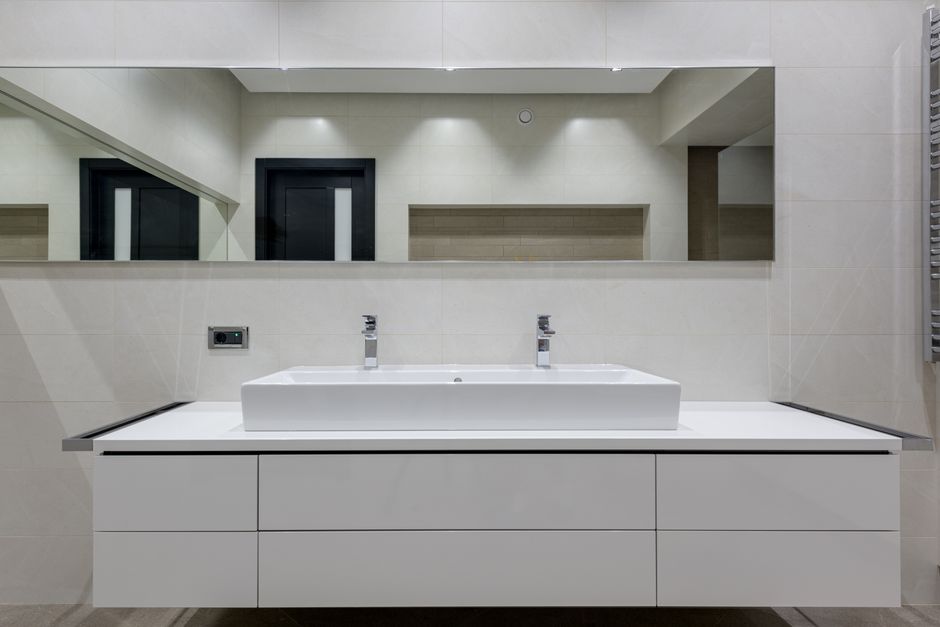
Vanities represent both function and style. Solid wood vanities fail quickly in humid bathrooms unless specifically treated for moisture resistance. Engineered cabinetry designed for wet environments outlasts standard furniture. The vanity's top should be durable material—quartz offers superior water resistance compared to laminate or some natural stones. A quality vanity keeps your renovation looking good and functioning properly for years.
Select Appropriate Shower Enclosure Materials
Your shower enclosure material determines water containment effectiveness. Tempered glass doors provide visibility and modern aesthetics while preventing water escape. Quality frameless shower doors require less maintenance than framed options. If choosing an enclosure, consider both cleaning requirements and water-tightness to ensure long-term performance.
Choose Quality Fixtures
Fixtures—faucets, showerheads, and trim—should be solid brass or stainless steel rather than plated steel, which corrodes with moisture exposure. Finishes vary significantly in durability; some hold up better to constant humidity than others. Check product specifications to understand which finishes will maintain appearance and functionality in your humid bathroom environment.
Use Bathroom-Specific Paint
Paint selection matters in bathrooms. Standard interior paint mildews in humid conditions. Bathroom-specific paint formulations resist mold growth and moisture penetration. A quality exhaust fan combined with appropriate paint creates the best moisture control strategy, protecting both appearance and structural integrity.
Select Corrosion-Resistant Hardware
Hardware like towel bars and toilet paper holders should be corrosion-resistant. Stainless steel or solid brass hardware survives humid environments far better than cheaper alternatives. Quality hardware details enhance both function and aesthetics while ensuring long-term durability.
Consider Maintenance Requirements
Your material selections establish the renovation's longevity. Choosing durable materials upfront prevents frequent repairs and replacements. Quality fixtures and water-resistant materials ensure your bathroom remains functional and attractive throughout decades of daily use, protecting your investment long-term.